Skip to content
Niti Pamyati

Проверить себя / English

Threads: the story of one family

Fifteen panels, five chapters: finding a photograph, the town on the far bank, reading a stone, the ashugh's song, and the words that are passed on.

Honestly about this translation: it is a working English version made by the museum's digital assistant. The Russian original is the source of truth; where the two differ, the Russian text stands. The story and its dialogue are fictional; facts, places and numbers come from the museum's collection, and each panel names its source. Hebrew and Azerbaijani versions are not made here — they require a native speaker's check. Русская версия →

1. The photograph

Panel 1

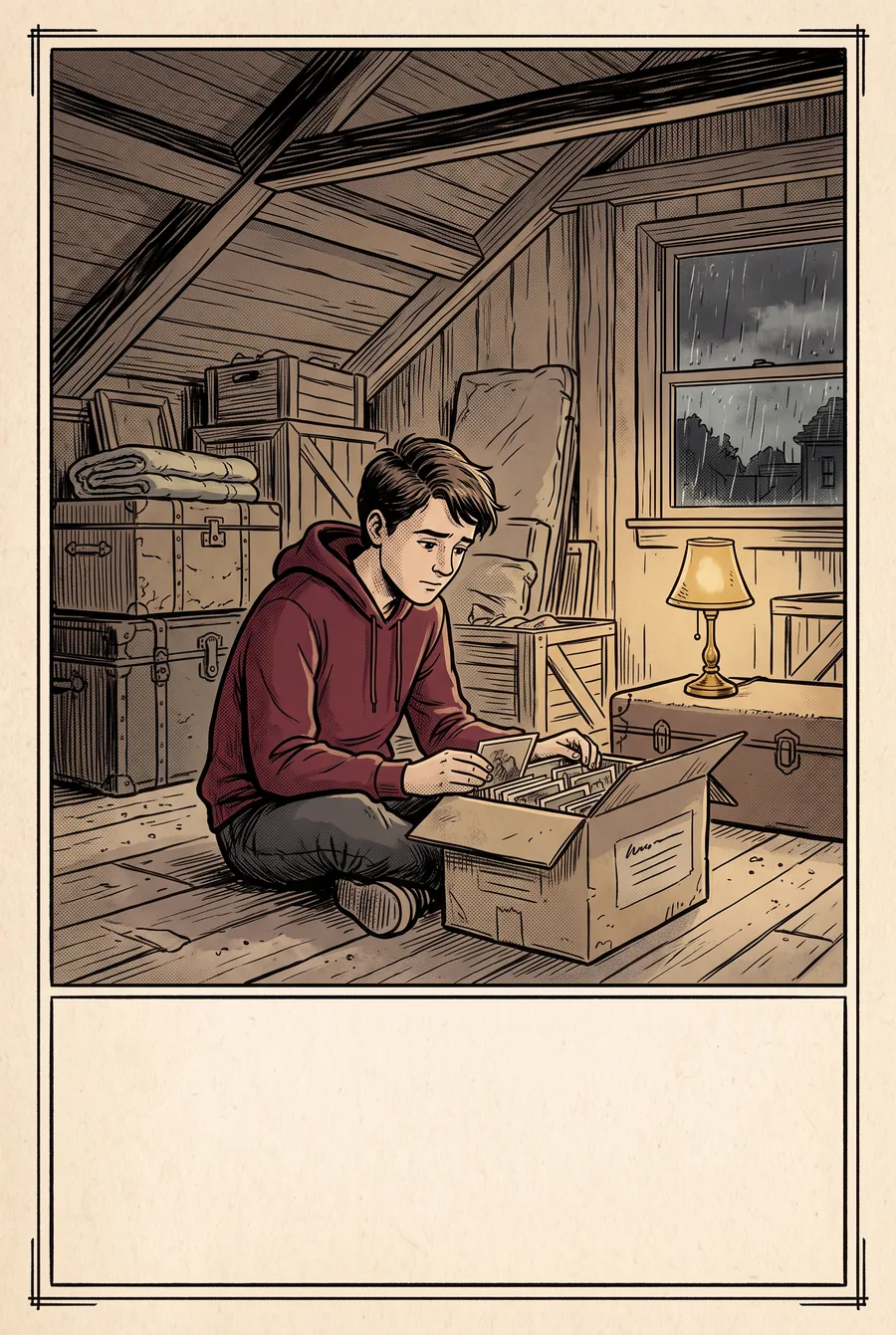
The attic

A teenager in a dusty room opens a cardboard box. Rain outside.
  • — Mum, who is this?
  • — I don’t know. Ask your grandmother.

Source: The story is invented. This is how almost every family search begins.

Panel 2
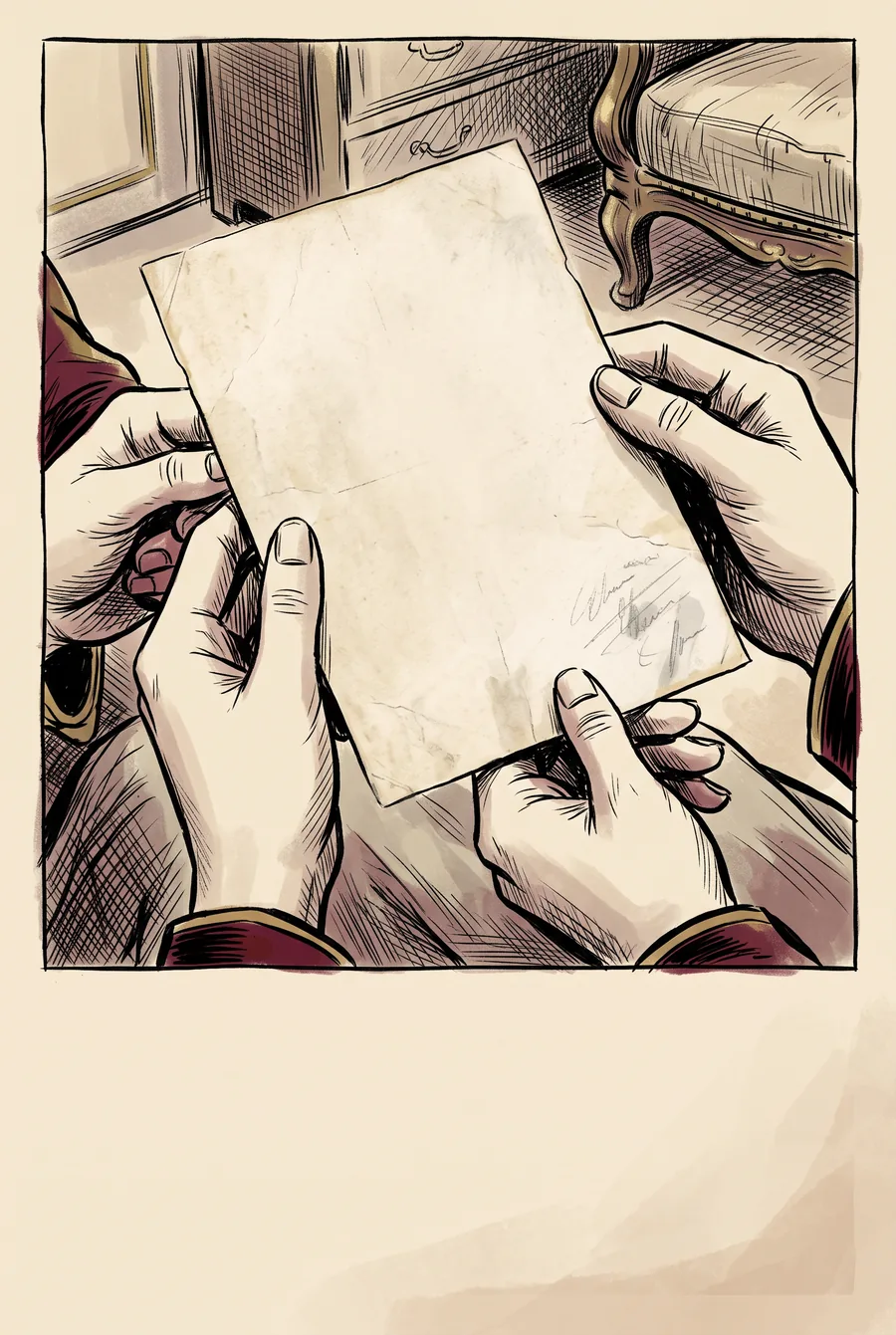
A note on the back

Close-up: an old black-and-white photograph. On the back, in pencil: «Quba, 1957».
  • Quba.
  • Where is Quba?

Source: Quba and Qırmızı Qəsəbə (Red Settlement) are towns of the community in Azerbaijan.

Panel 3
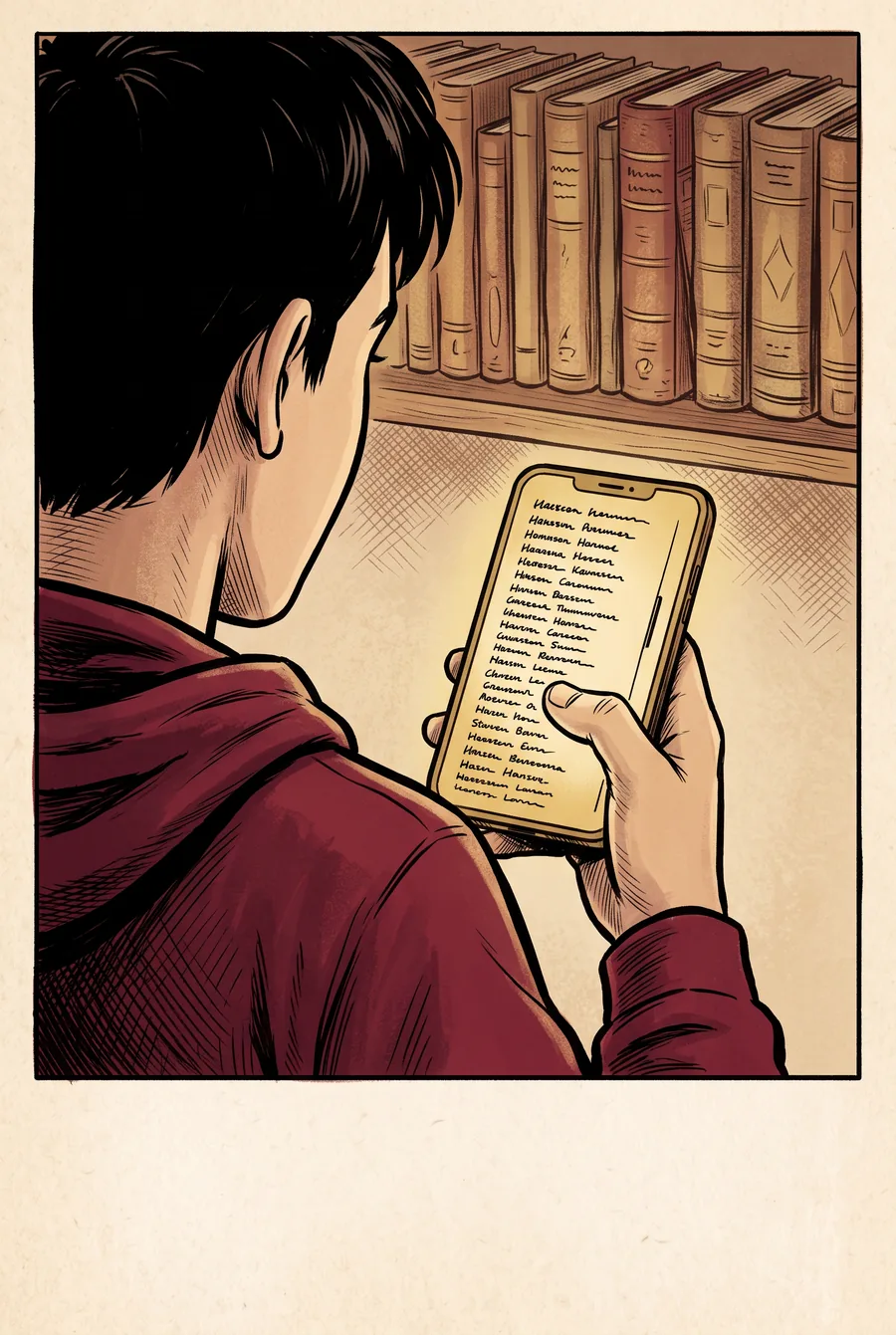
The first search

A phone screen: an index of surnames and a search field.
  • Eight letters of a surname — and a hundred years behind them.

Source: The museum's surname index: 223 surnames, 389 fathers' names.

2. The town on the far bank

Panel 4

The far bank

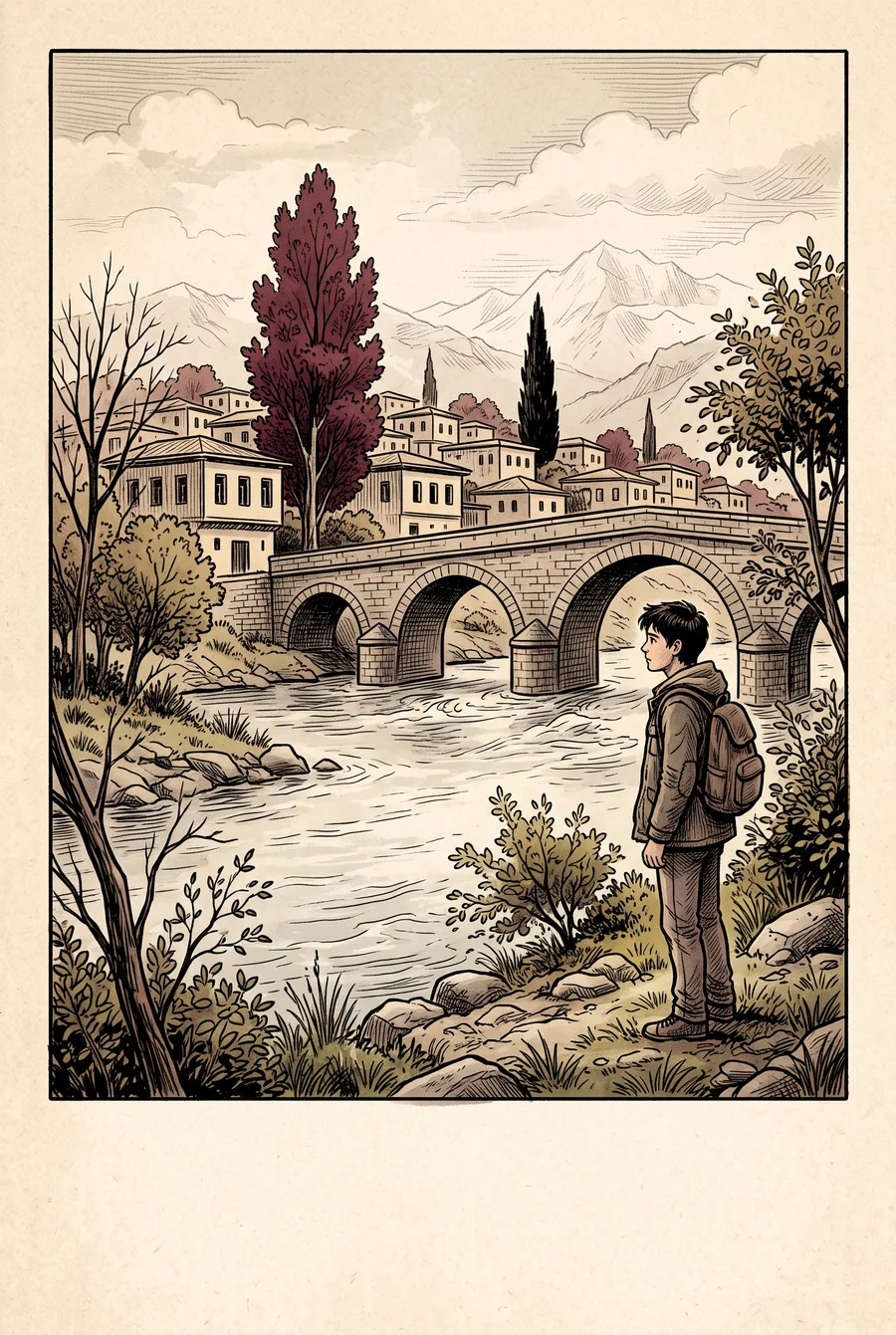
A wide view: a river, a bridge, and a town on the opposite bank.
  • — A town across the river from Quba.
  • — Why across?

Source: Qırmızı Qəsəbə was founded in 1742 on the other bank of the Kudialchay.

Panel 5
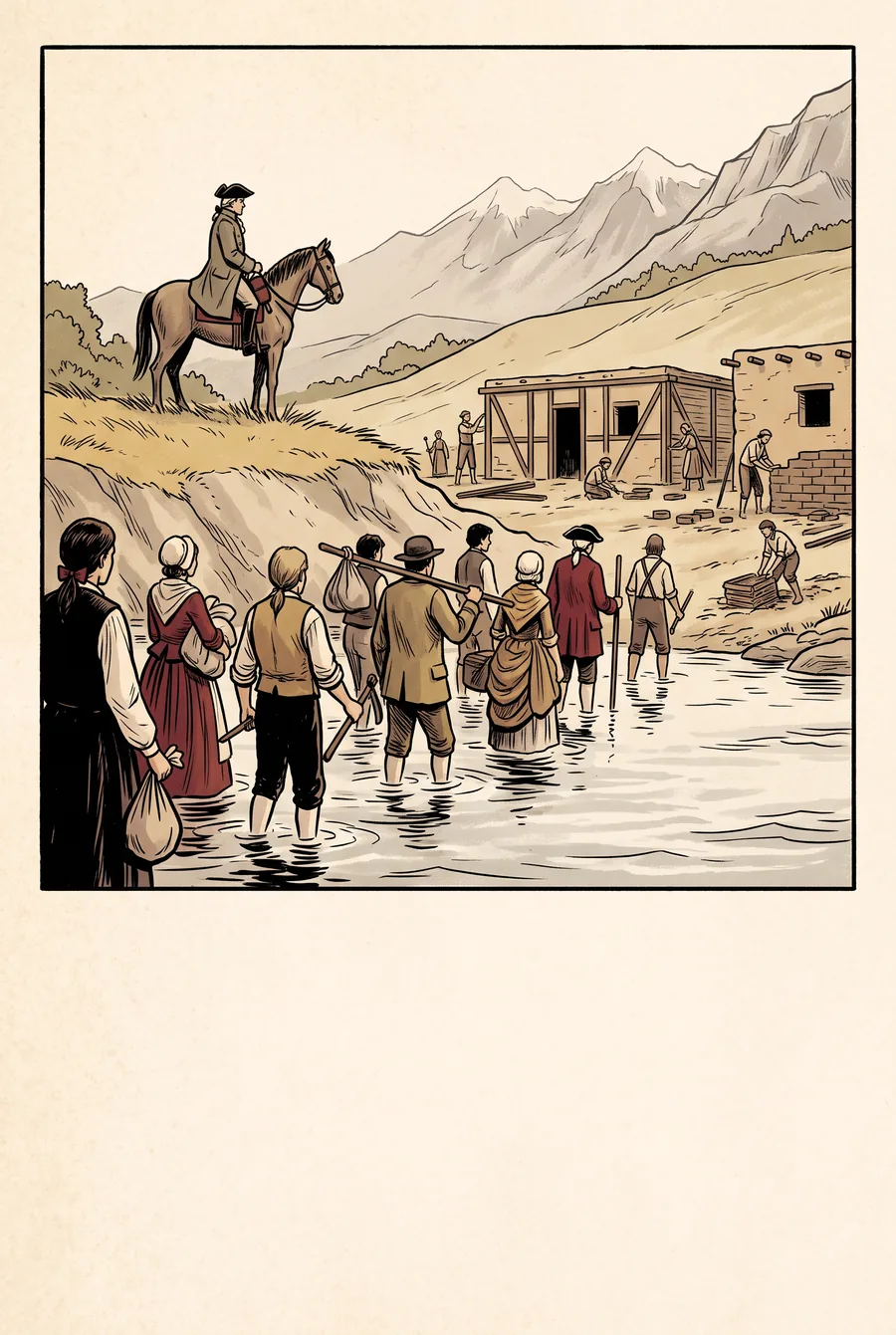
By the khan's leave

An old scene: people cross the river and raise the first houses.
  • The land was granted by the Khan of Quba.

Source: So the beginning is told; the museum records it as tradition and documents.

Panel 6
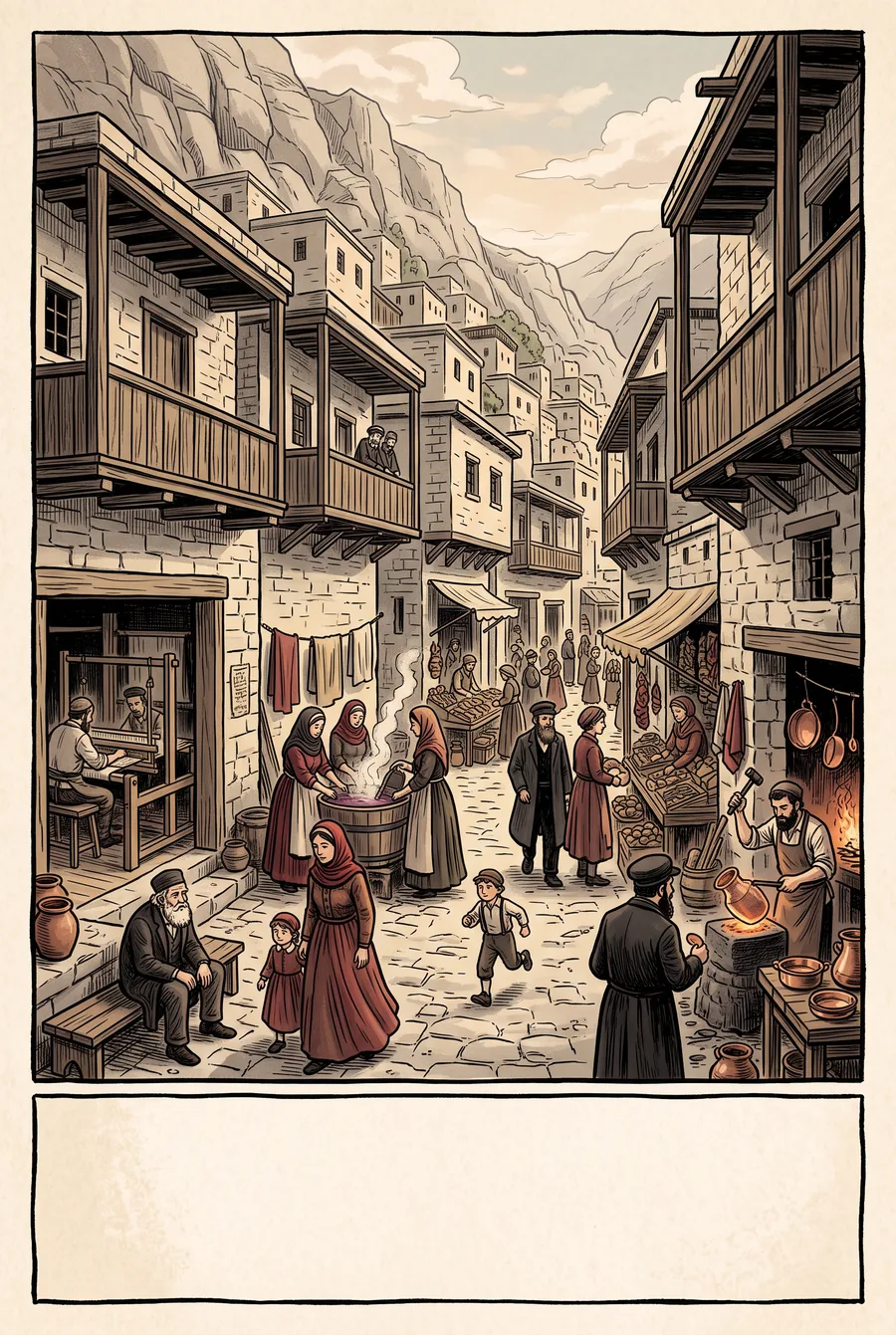
A town, not a village

A street of the Settlement: houses, workshops, shops. Steam of dye-houses.
  • Here they did not live as a village. Here they built a town:
  • dyers, weavers, silversmiths, trade across the Caucasus.

Source: The only place where Mountain Jews lived as a town — and still do.

3. The stone speaks

Panel 7

Inscriptions

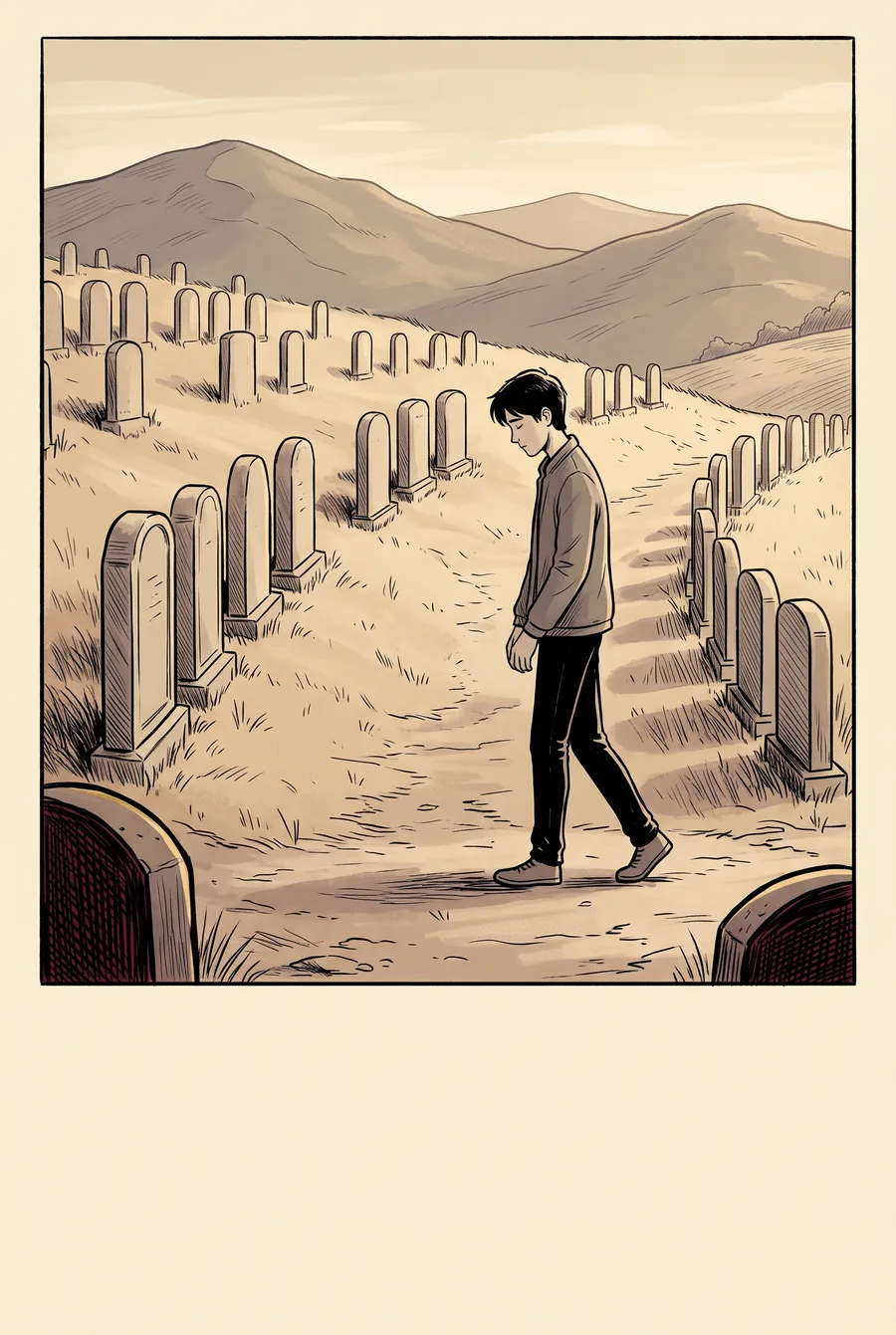
A quiet cemetery: rows of stones, Hebrew letters, warm light.
  • — I can’t read this.

Source: The museum's catalogue: 1,102 inscriptions read, 1,194 monuments.

Panel 8
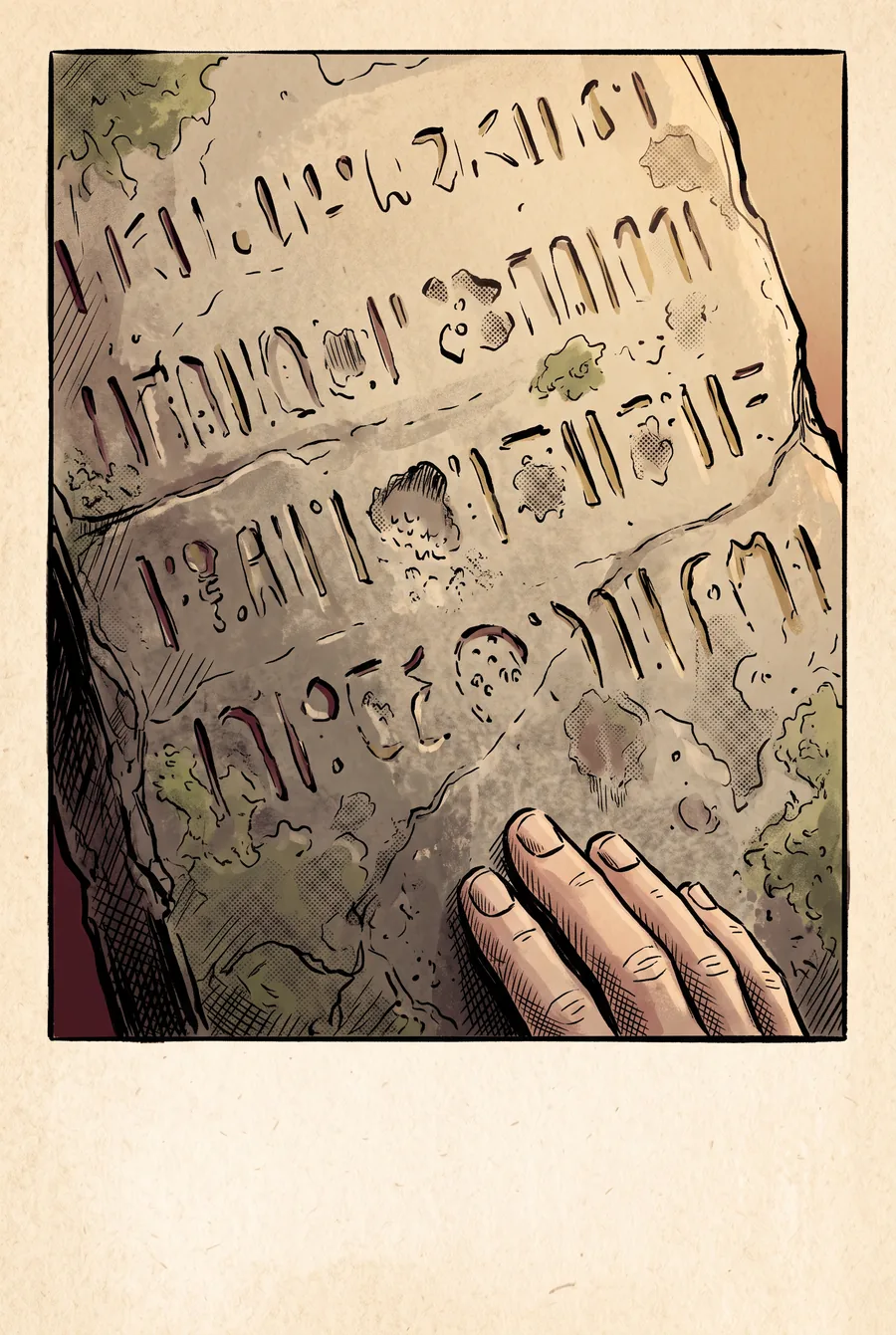
The word בֶּן

Letters in close-up: a name, בֶּן, the father's name.
  • בֶּן — “ben” — son.
  • So next comes the father's name.

Source: The word בֶּן appears in 59% of the Qırmızı Qəsəbə inscriptions.

Panel 9
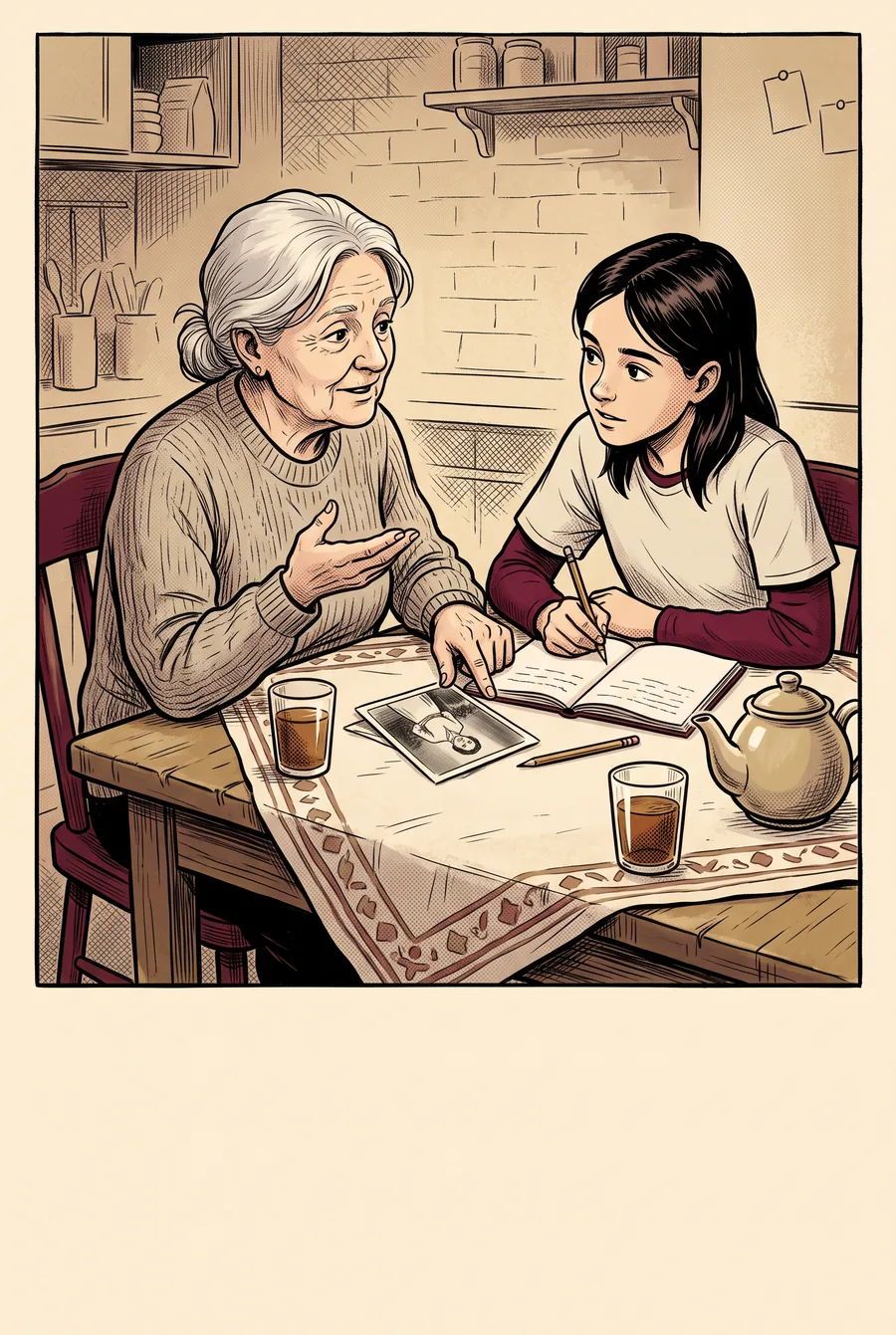
Two names

A grandmother beside her grandson, explaining; a photograph on the table.
  • — The name was written in different ways: how they called him at home and how on the stone.
  • — Why?
  • — So both are remembered.

Source: Hebrew spellings and everyday names often differ: 351 Hebrew name forms.

4. The ashugh and the song

Panel 10

The song

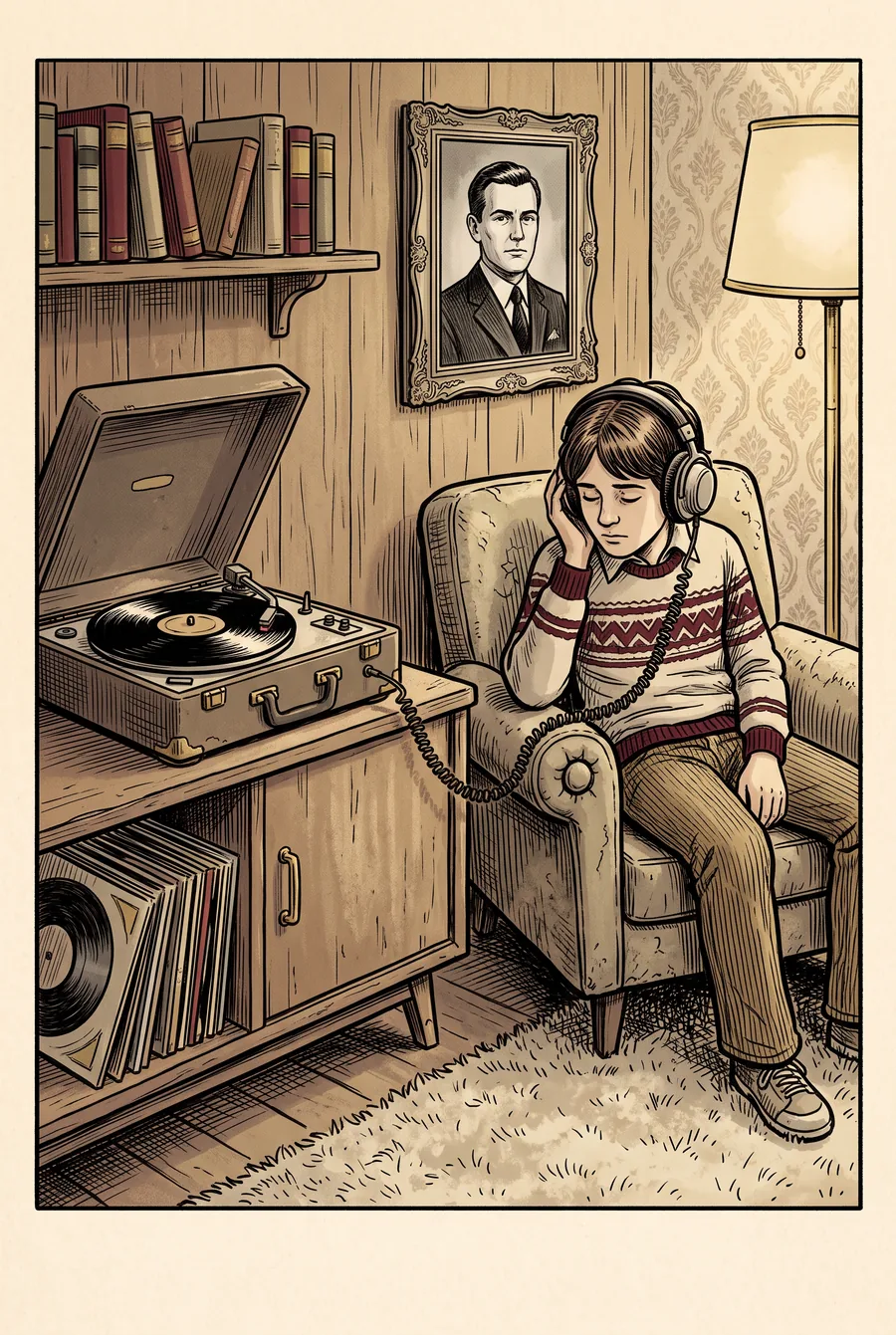
A gramophone and records; on the wall, a portrait (an archive photograph).
  • The song was heard in a house where no one spoke Juhuri any more.

Source: The museum holds genuine photographs of the poet Sergei Izgiyayev and of the 1980s theatre company.

Panel 11
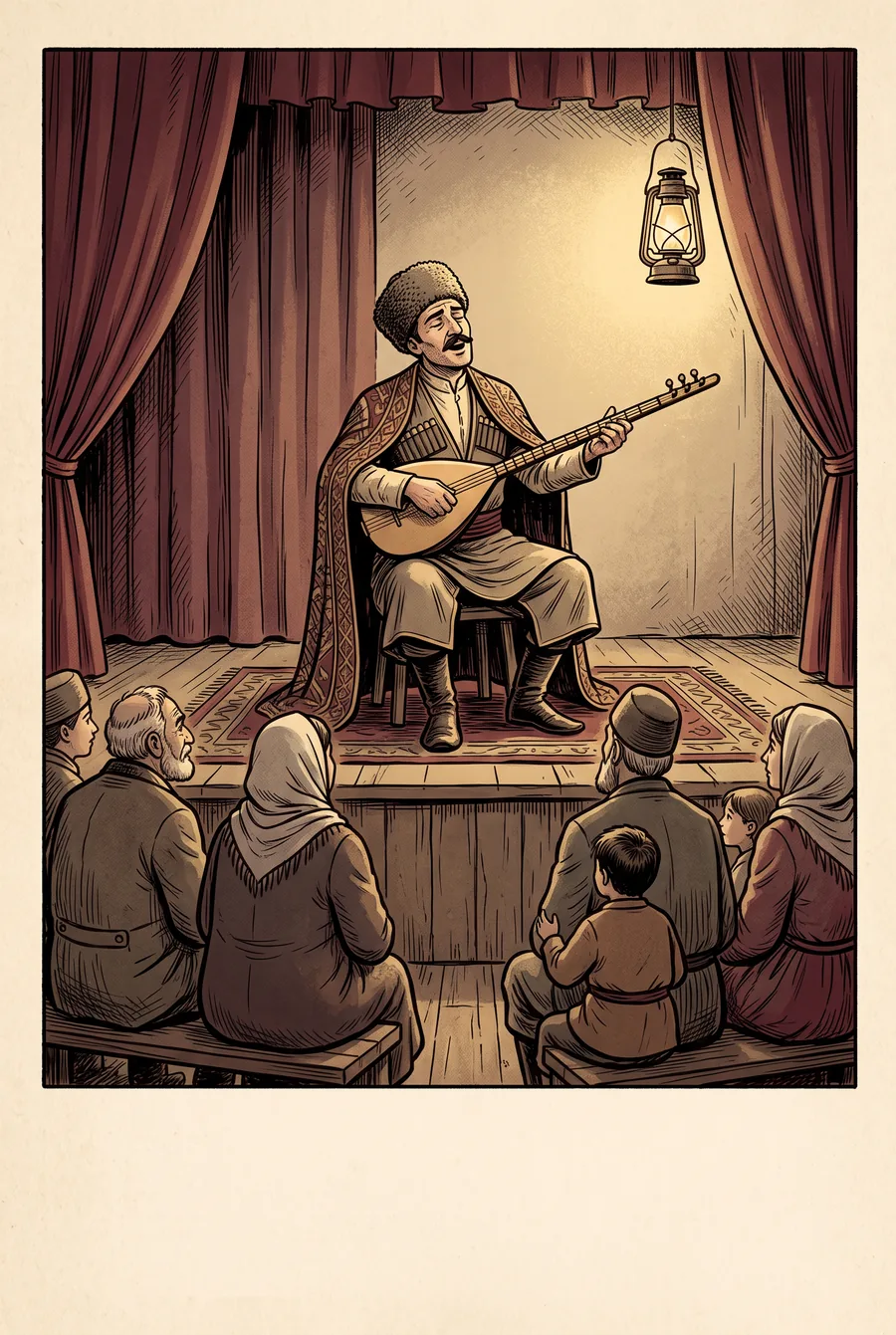
Ashugh

On stage: an ashugh with an instrument, light, an audience.
  • The ashugh did not sing for the stage.
  • He sang so that people would remember.

Source: The art of the ashugh and the liturgical chant: the section “Music and songs”.

Panel 12
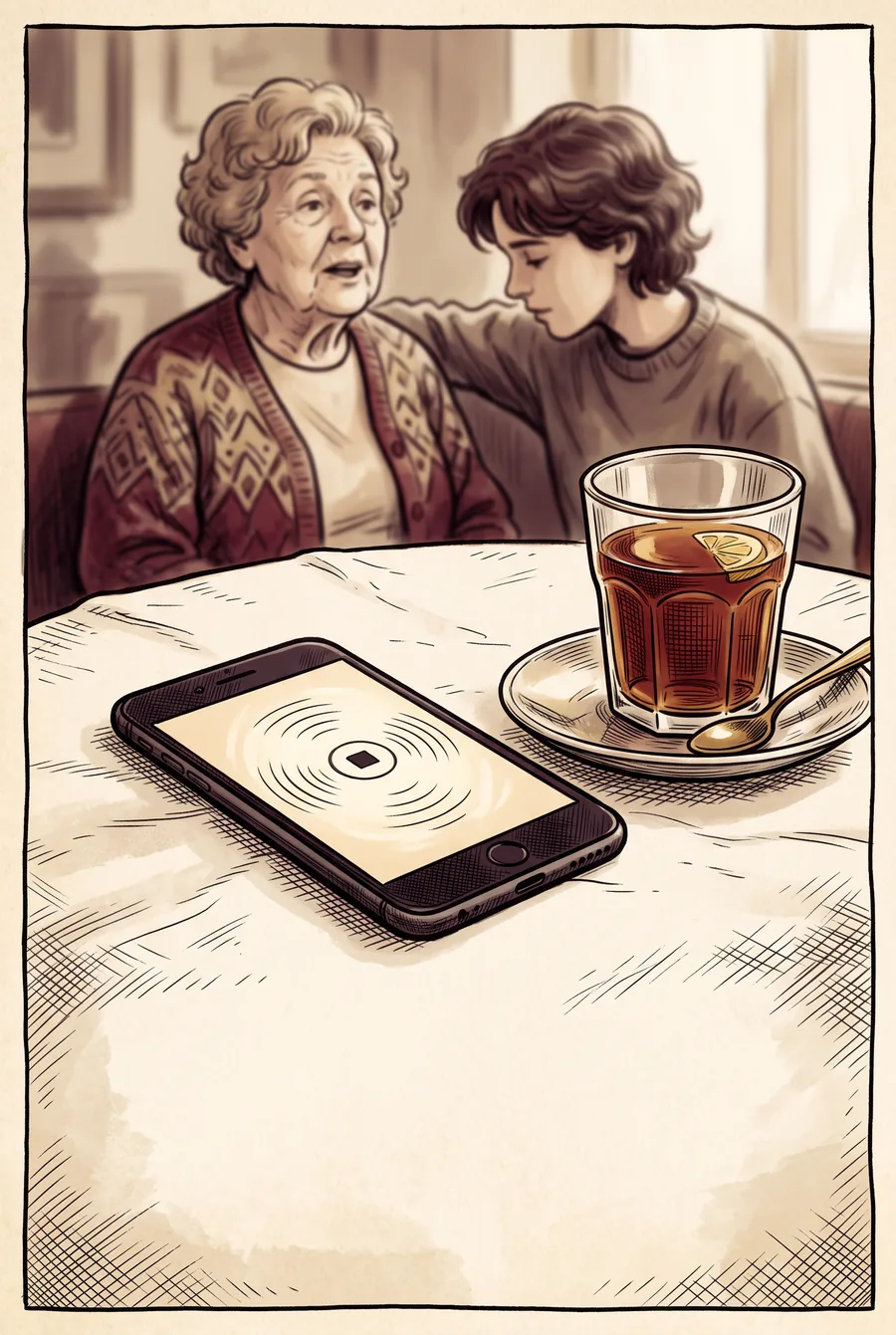
The voice

A phone on the table, a red record button. The grandmother speaks, the grandson listens.
  • — Say it again: what was your mother's name?

Source: Recordings are accepted through the page “Send material”.

5. Word by word

Panel 13

Words

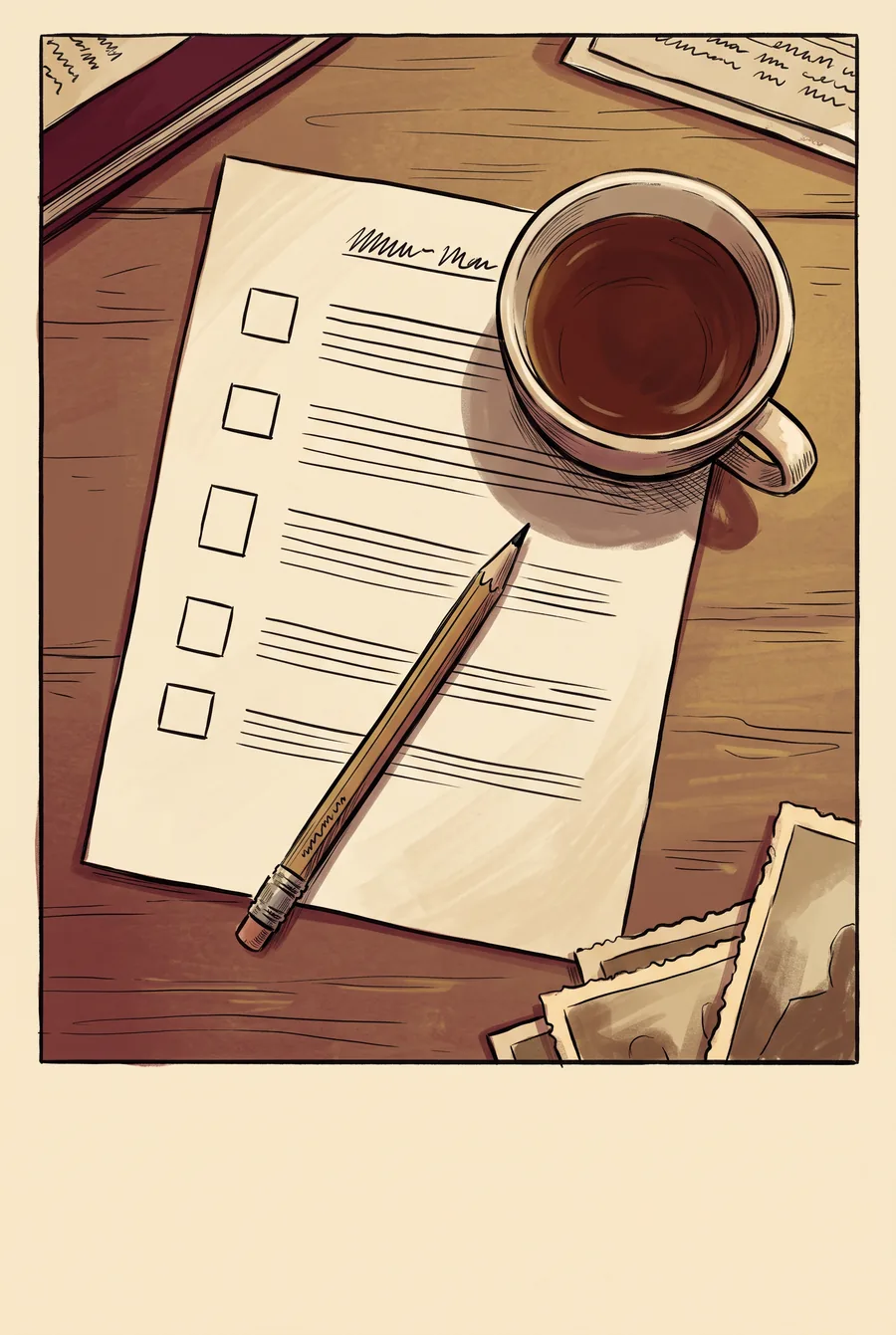
A sheet with five words: spelling, translation, notes in a hand.
  • Five words — and that is already a conversation.

Source: The museum's dictionary: 2,277 words. First-lesson cards: 128 words.

Panel 14
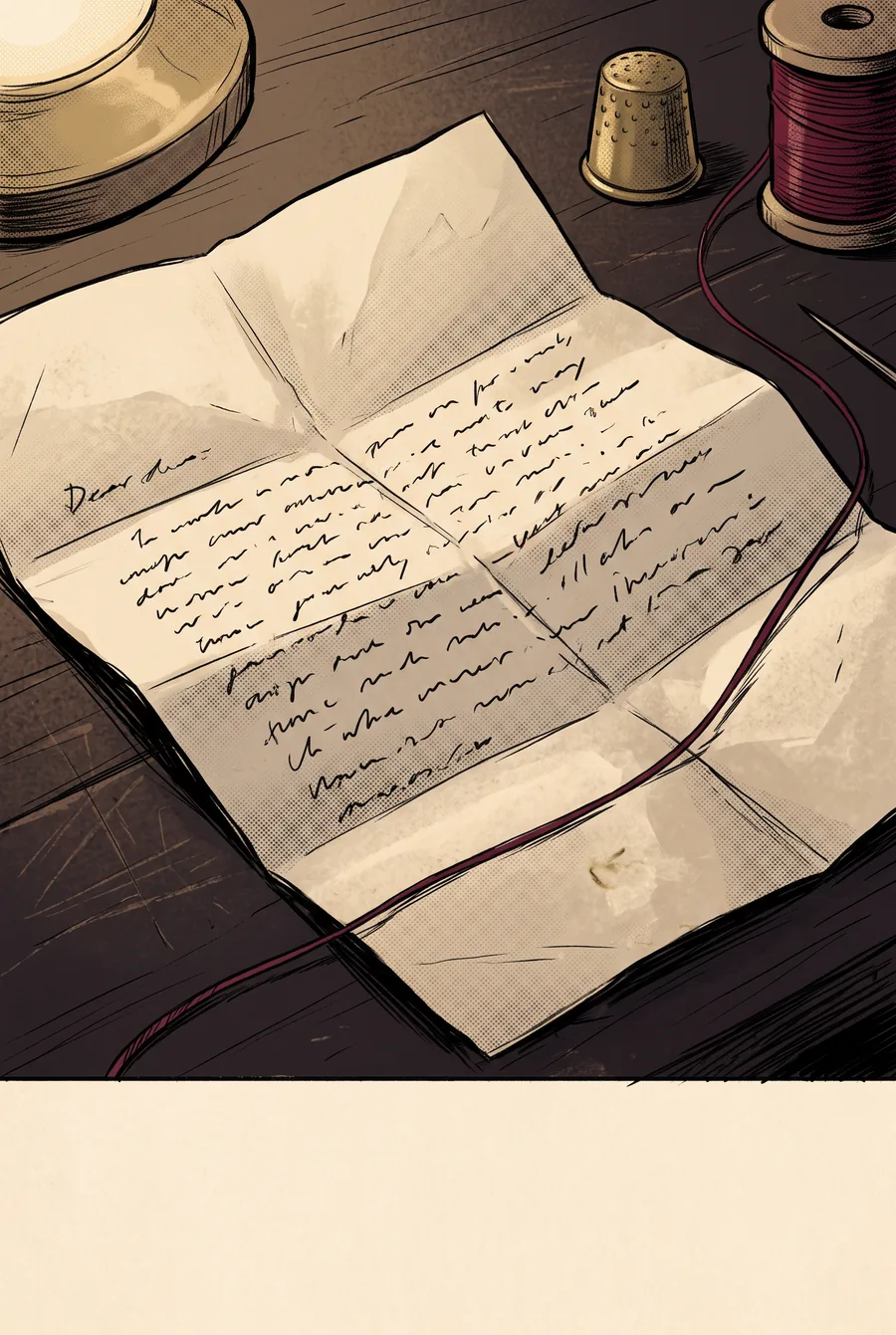
A proverb

In close-up, against the background of a letter: a Juhuri proverb.
  • Ambar khundəɡor ambar midanü.
  • Who reads much knows much.

Source: From the collection “The wisdom of the people” (M. N. Naftaliev, STMEGI, 2025).

Panel 15
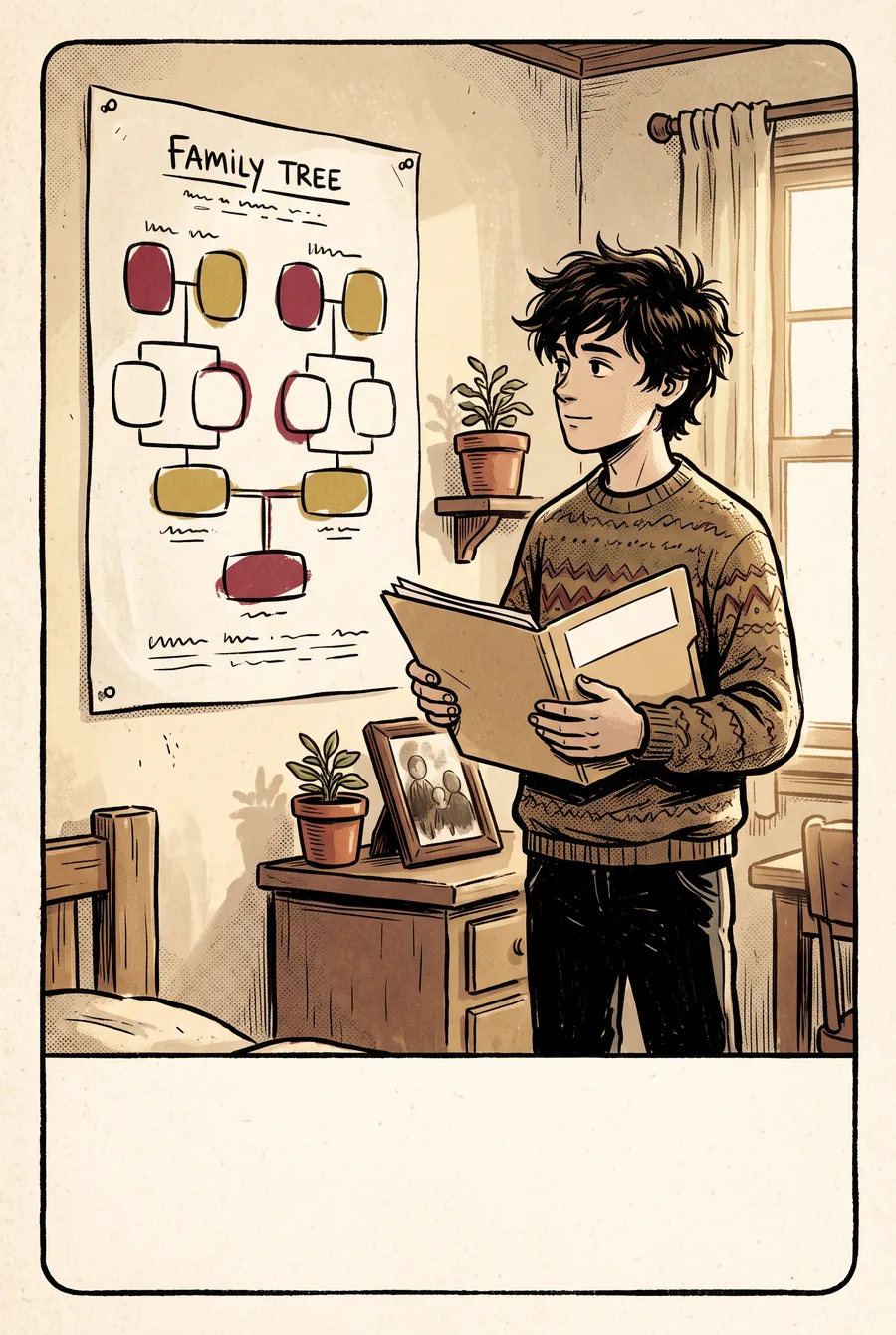
Roots

The same teenager, now with a folder of materials; beside him, a poster with a family tree.
  • — Now you know where you come from.
  • When a person has roots, he stands firmly on his feet.

Source: Words of the museum's founder, Davidov Don Serezhovich.

Find your surname: index of surnames. Read the Russian original: the comic. Работает и обратно: 15 полос в русской версии.

Comic: «Threads — the story of one family»